Defending against advanced tactics
Learn how Microsoft Defender counters the latest cyberattacker techniquesโfrom automated and AIโpowered threats to supply chain and identityโbased attacks. See how customers are using advanced defenses to reduce exposure across their environments.
Refine results
Topic
Threat intelligence
Products and services
Publish date
-
Cookie-gated PHP webshells use obfuscation, php-fpm execution, and cron-based persistence to evade detection in Linux hosting environments. -
Mitigating the Axios npm supply chain compromise
On March 31, 2026, the popular HTTP client Axios experienced a supply chain attack, causing two newly published npm packages for version updates to download from command and control (C2) that Microsoft Threat Intelligence has attributed to the North Korean state actor Sapphire Sleet. -
WhatsApp malware campaign delivers VBScript and MSI backdoors
A malware campaign uses WhatsApp messages to deliver VBS scripts that initiate a multi-stage infection chain. -
Guidance for detecting, investigating, and defending against the Trivy supply chain compromise
Threat actors abused trusted Trivy distribution channels to inject credential‑stealing malware into CI/CD pipelines worldwide. -
Contagious Interview: Malware delivered through fake developer job interviews
The Contagious Interview campaign weaponizes job recruitment to target developers. -
Malicious AI Assistant Extensions Harvest LLM Chat Histories
Malicious AI browser extensions collected LLM chat histories and browsing data from platforms such as ChatGPT and DeepSeek. -
Signed malware impersonating workplace apps deploys RMM backdoors
Signed malware backed by a stolen EV certificate deployed legitimate RMM tools to gain persistent access inside enterprise environments. -
OAuth redirection abuse enables phishing and malware delivery
OAuth redirection is being repurposed as a phishing delivery path. -
Threat modeling AI applications
AI threat modeling helps teams identify misuse, emergent risk, and failure modes in probabilistic and agentic AI systems. -
Developer-targeting campaign using malicious Next.js repositories
A developer-targeting campaign leveraged malicious Next. -
Running OpenClaw safely: identity, isolation, and runtime risk
Self-hosted agents execute code with durable credentials and process untrusted input. -
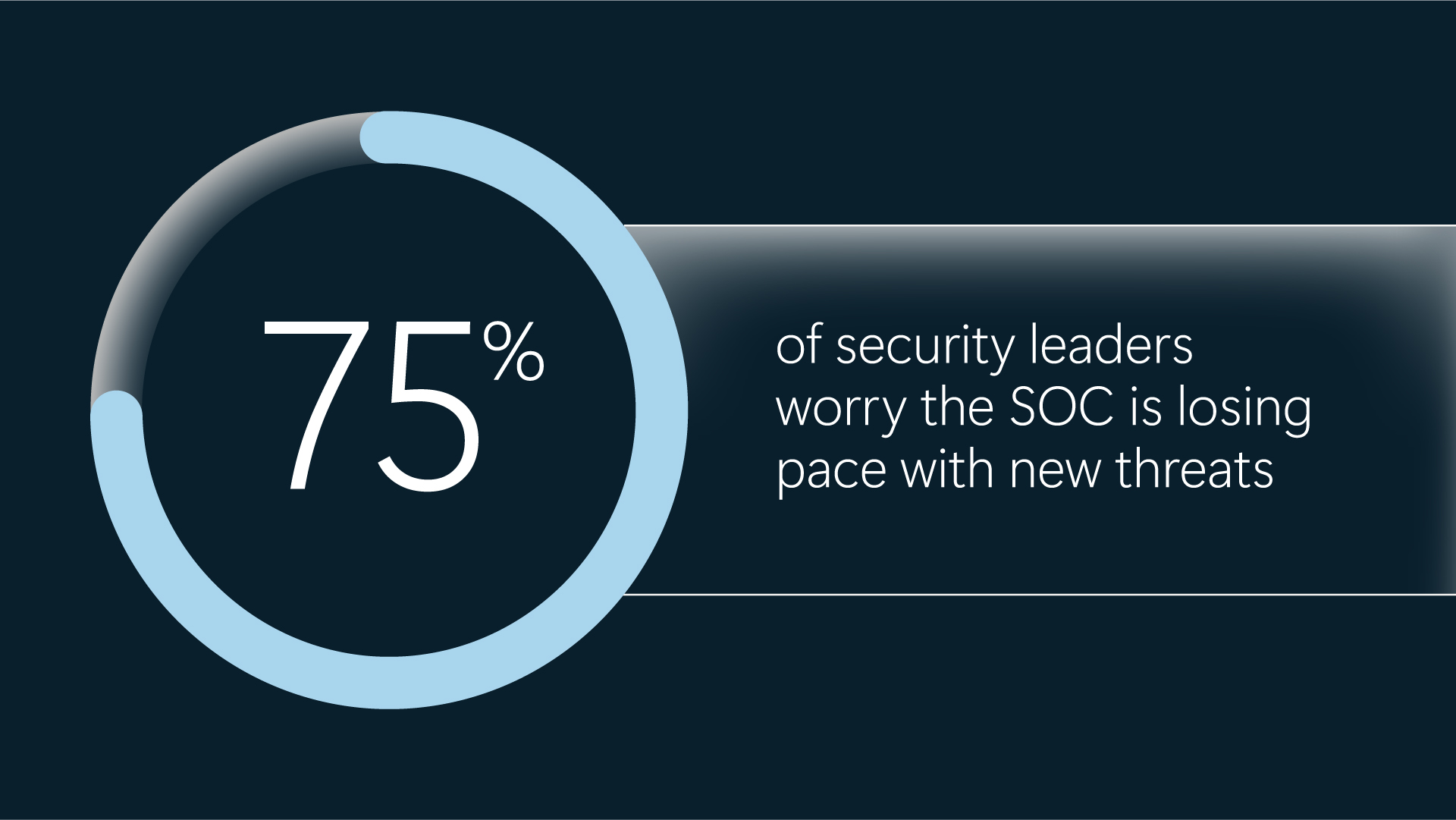
Unify now or pay later: New research exposes the operational cost of a fragmented SOC
New research from Microsoft and Omdia reveals how fragmented tools, manual workflows, and alert overload are pushing SOCs to a breaking point.