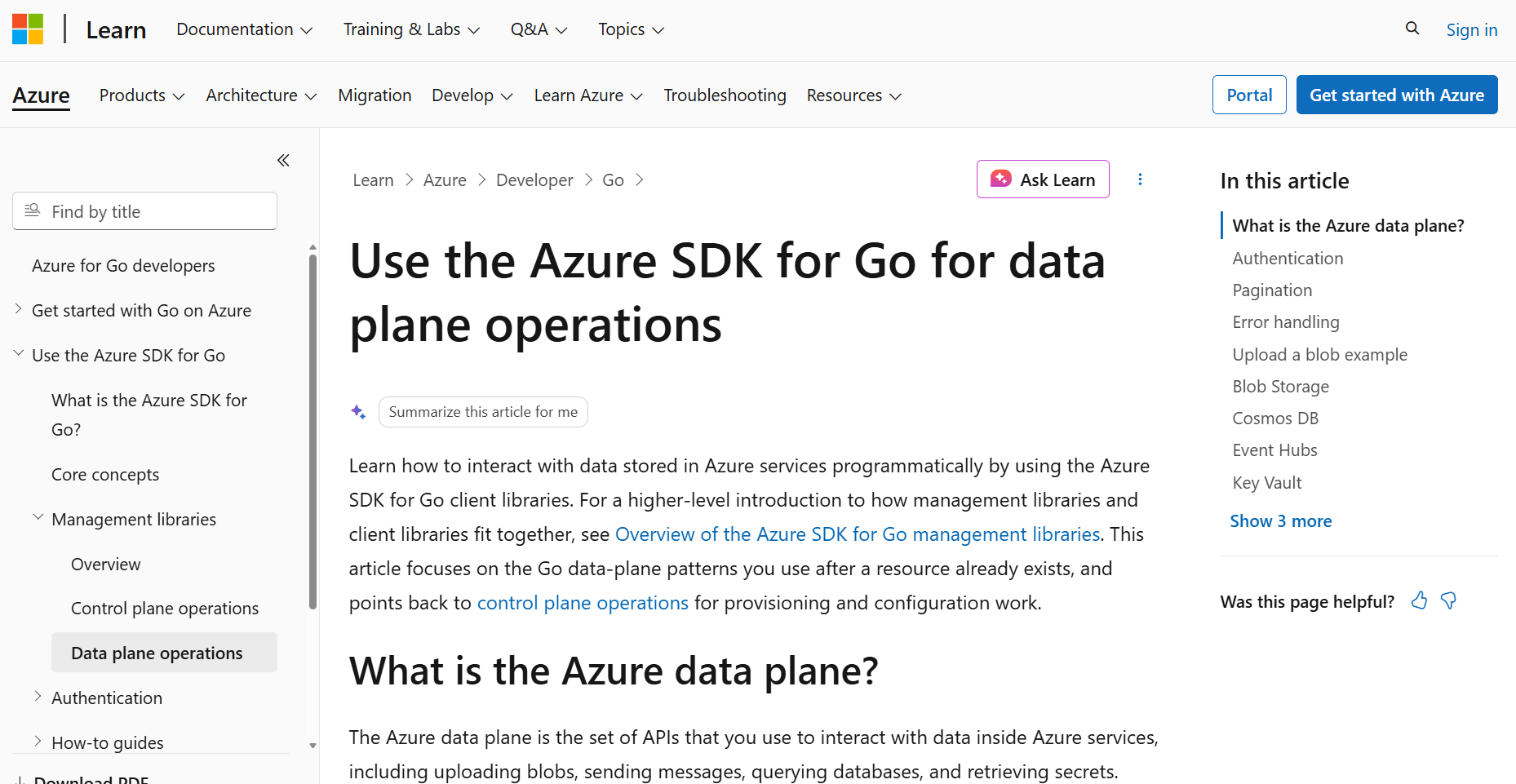
Build your skills with structured training courses for Visual Studio Code. Each course guides you step by step through a topic with hands-on exercises and real-world examples.
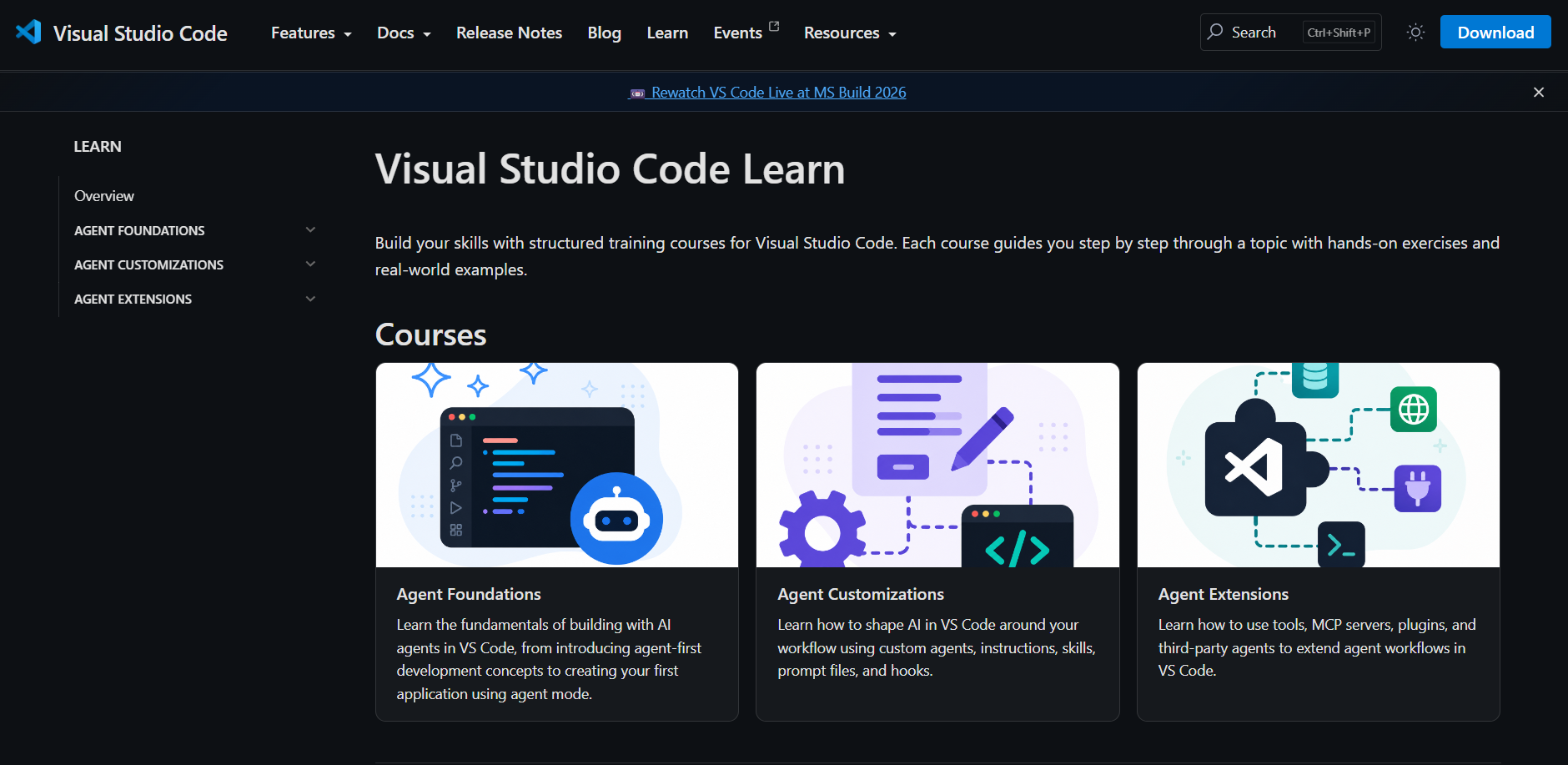
Community-contributed agents, instructions, and skills to enhance your GitHub Copilot experience
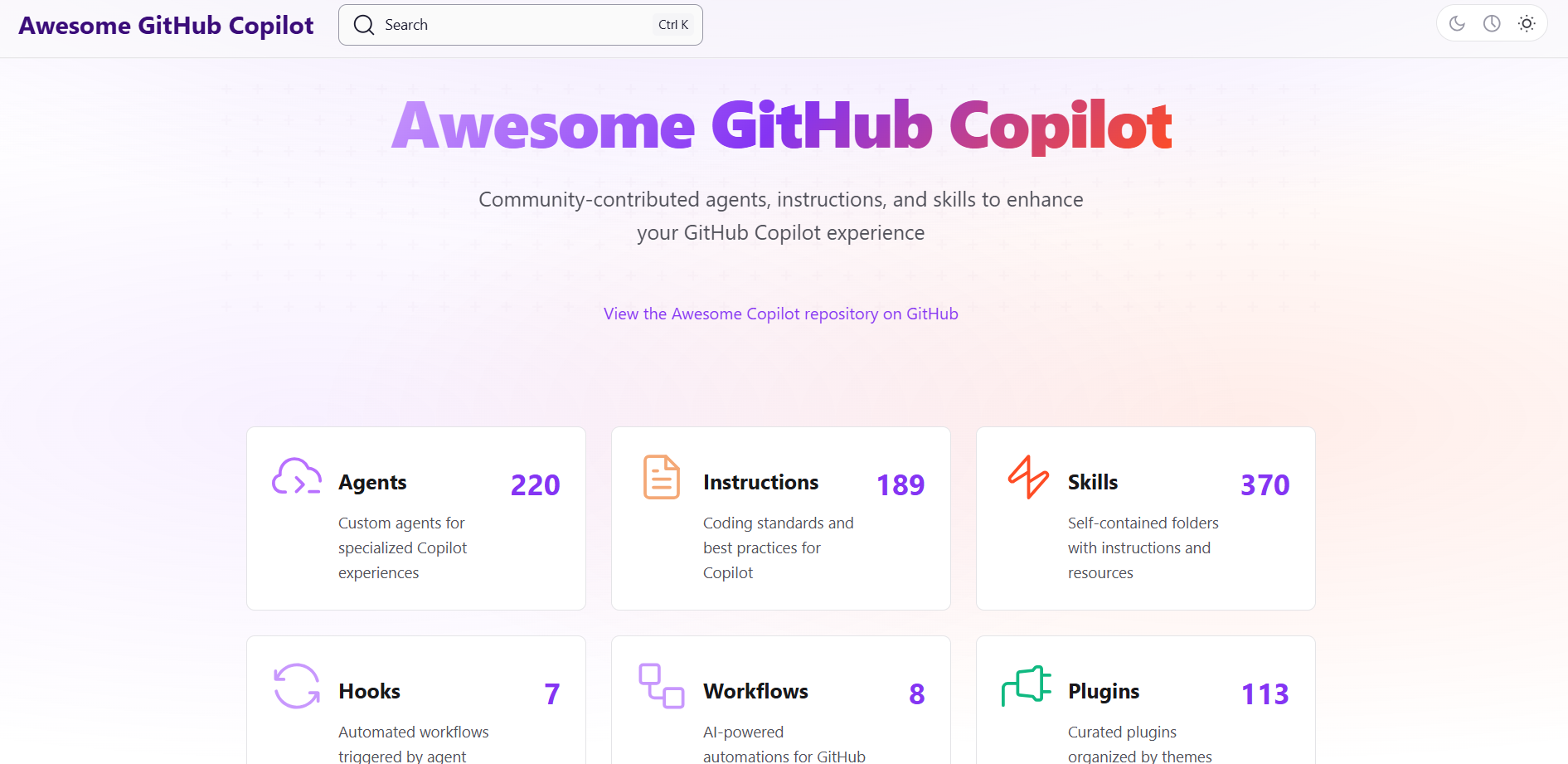
GitHub Copilot is powerful out of the box, but custom tools, context, and workflows let you shape it to fit how your team actually works. In this hands-on lab, you’ll build a browser-based Space Invaders game with Copilot, then customize Copilot across the command line and Visual Studio Code using plugins, hooks, agents, skills, instructions, prompts, and MCP servers. You’ll leave with practical patterns and working customizations you can adapt to your own codebase.
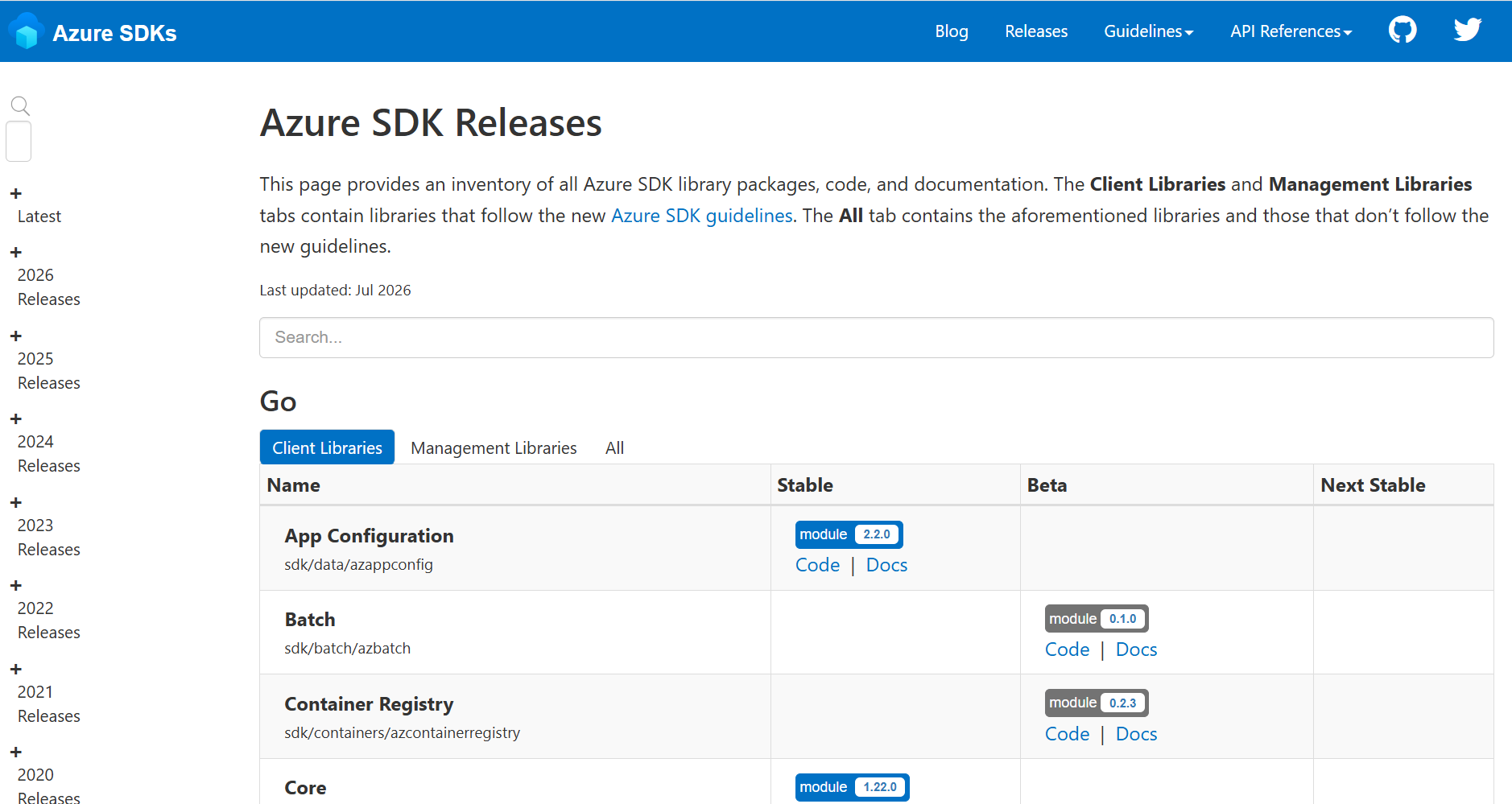
This page provides an inventory of all Azure SDK library packages, code, and documentation. The Client Libraries and Management Libraries tabs contain libraries that follow the new Azure SDK guidelines. The All tab contains the aforementioned libraries and those that don’t follow the new guidelines.
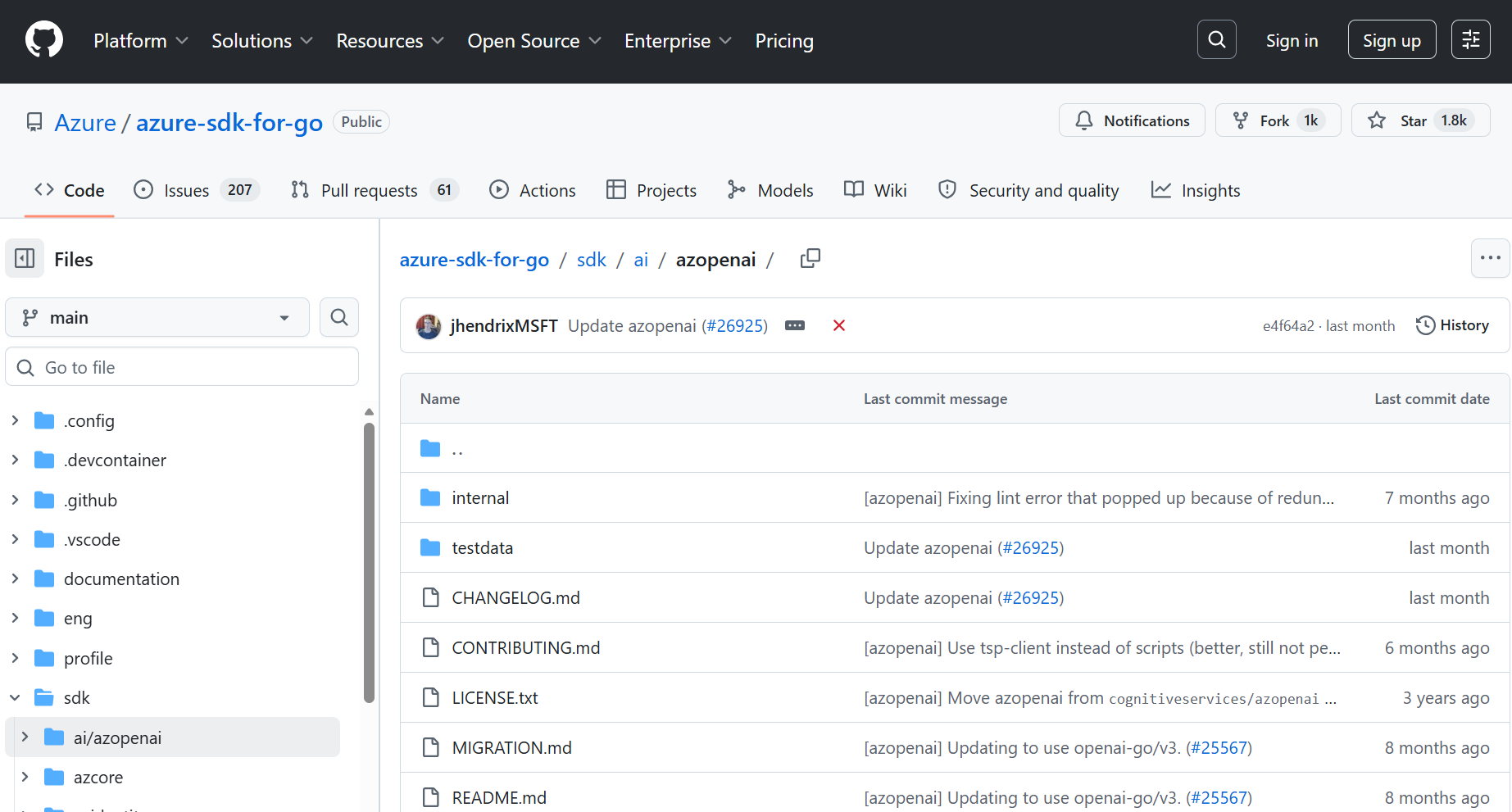
This module provides models and convenience functions to make it simpler to use Azure OpenAI features, such as Azure OpenAI On Your Data, with the OpenAI Go client
Microsoft Agent Framework is designed for developers who are moving from single prompt calls to production agent systems: agents that use tools, keep context, coordinate with other agents, stream results, and can be observed and governed as part of real applications. With the Go SDK, Go developers can start using those patterns in services, CLIs, workers, and cloud-native applications where Go is already a natural fit.
Azure OpenAI in Microsoft Foundry Models provides REST API access to OpenAI's powerful language models. These models can be easily adapted to your specific task including but not limited to content generation, summarization, image understanding, semantic search, and natural language to code translation. Users can access the service through REST APIs, the OpenAI Node API Library, or via the Microsoft Foundry portal.
Azure Go SDK packages, including beta releases, are listed at pkg.go.dev. For more information, see: Azure SDK Releases: Go.
Learn how to interact with data stored in Azure services programmatically by using the Azure SDK for Go client libraries. For a higher-level introduction to how management libraries and client libraries fit together, see Overview of the Azure SDK for Go management libraries. This article focuses on the Go data-plane patterns you use after a resource already exists, and points back to control plane operations for provisioning and configuration work.